

Are you walking your dog for yourself or your dog?
Walking your dog can be a frustrating experience. It comes from misunderstanding each other. The dog doesn’t get to read all of the news (or check his Facebook) through sniffing and you feel like he doesn’t listen to you or is disobedient. Changing the way you see the walks and lowering your expectations can be an easier and faster way to enjoy your walks again.

What do you think about punishment?
Punishment is unavoidable. It’s a naturally occurring phenomenon but it’s not the most effective way of changing behaviour. Rather than leave it to chance of what our learner will do, let’s take responsibility for teaching the behaviours that will work functionally for us both.

Why we use treats? Come when called
When your dog is coming to you because he gets a treat for it, you can quickly start to see him not only having relaxed body posture but he can also start running towards you. He starts to give you more and not just enough to get by. In my opinion, in the long run, it’s a more effective way of training.

Dogs’ body language part 2
To understand our dogs better, it’s important to start recognising their body language. It’s a skill that can be developed through observation.

Is it possible to train a cat?
Wouldn’t it be great to train your cat to come when called?

Compassion to all living creatures
I want to cultivate compassion to all living creatures. I want to inspire others to do the same. It’s not easy to share my opinion but I’m done with going into silence. What I’m sharing here is just my opinion and everyone can have their own. I would like to encourage other people to share their opinions and create a healthy discussion.
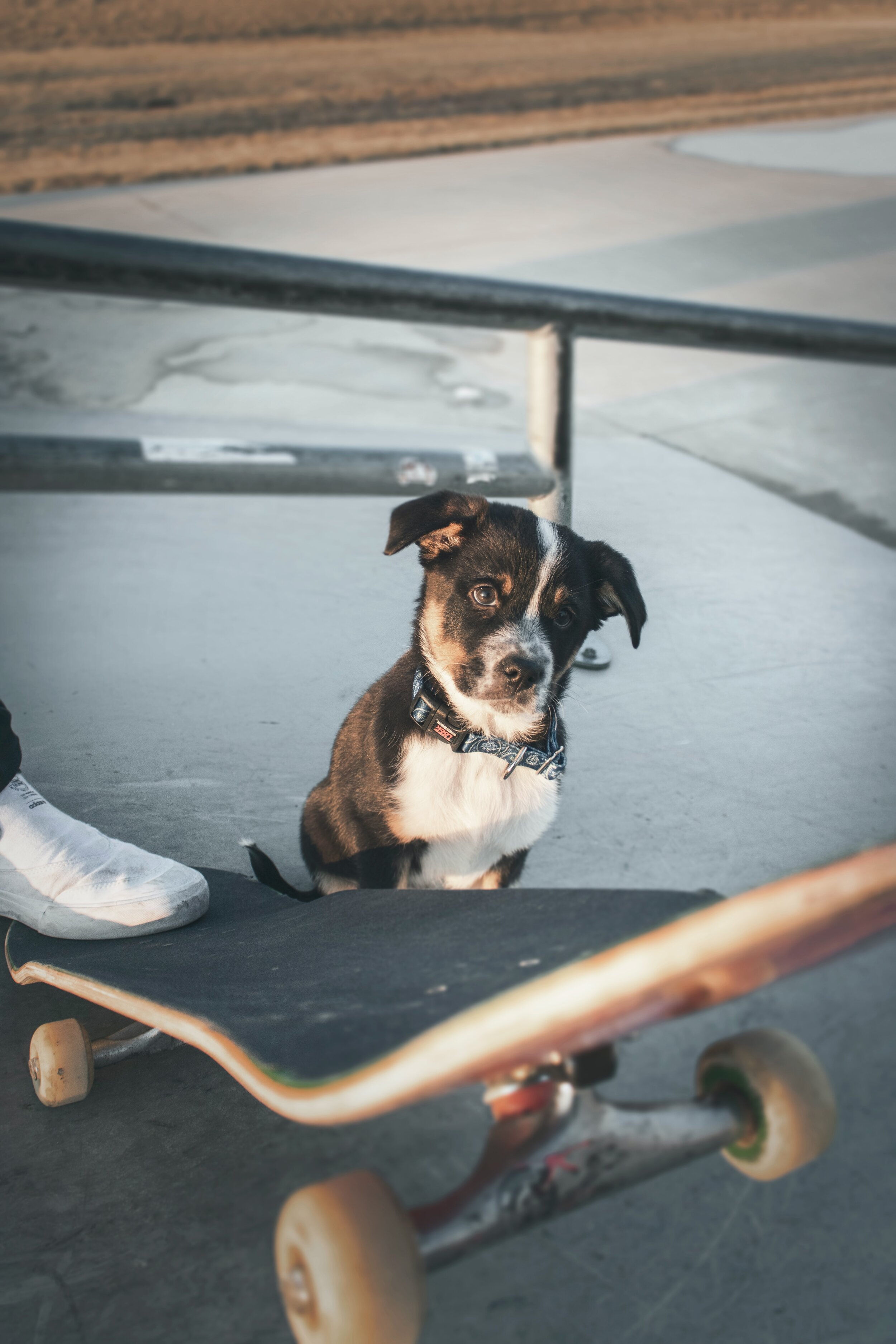
The influence of the environment
When we start to see the environment as a cause of the behaviour instead of looking for the cause inside the animal, we give ourselves a chance to influence it. We can take responsibility and empower ourselves to influence our dogs’ behaviour. Avoid labelling him as fearful or angry and see how the change of the environment changes his behaviour.


Have you ever been grateful for fear in your life?
Changing behaviour changes your emotions around it. You can become more resilient with practice.

How to teach your dog to wear a buster collar (cone)
Many dogs need to wear a buster collar (a cone) at least once in their lifetime. It’s very common to see a dog not wanting to wear it. It doesn’t have to stay this way though! After training, you get a dog that as soon as you get the buster collar out, he runs towards it and puts his head through! Now that’s a party trick right there!


How trying a vegan diet helped me overcome my negative self-talk
Behaviour principles can be applied across the species. From animal training to personal development. Changing my behaviour changed the way I talk to myself. It can be applied to any new skill you would like to learn, I applied it to changing my diet. I’ve done it, you can do it too.